







Search Results for: apple cider vinegar coffee

Hangzhou West Lake Vinegar Fish Coffee Sparks Debate: Charcoal Latte Meets Apple Cider Vinegar—Local Flavor Innovation or Culinary Nightmare?
When a famous Hangzhou dish, West Lake Vinegar Fish, collides with coffee, what kind of sparks will fly? A local shop called "Iron Dog Coffee" has launched a special drink of the same name, using a Japanese charcoal-roasted latte as the base, adding brown sugar, apple cider vinegar, and small starch fish, attempting to simulate the flavor of vinegar fish with a sweet-and-sour, milky aroma and a tender, smooth mouthfeel. This drink, priced at 28 yuan, or 19.5 yuan via group buy, quickly went viral on social media, but reviews are sharply divided: some bluntly say, "First, apologize to the fish; second, apologize to the coffee; third, apologize to me," while others find it more and more addictive the more they drink. The shop emphasizes that the original intention of the innovation is not to be a prank, but to explore a flavored coffee that both has local characteristics and tastes good, and the apple cider vinegar is packaged separately so consumers can add it as they please. [more…]

Heytea's Litsea and Yunnan Papaya New Drink Taste Controversy: So Sour Your Face Twists, or So Sweet It Lacks Fruit Flavor?
Heytea recently launched a seasonal limited-edition drink, Litsea cubeba Yunnan papaya, combining western Yunnan sour papaya, Xishuangbanna litsea cubeba, Lingnan fresh carambola, and litsea cubeba pea jelly. Officially, it is positioned as having a distinctive sweet-and-sour taste. However, after the new product hit the market, evaluations on social media quickly split into two extremes: some were put off by the piercing sourness, some chose "less less less sweet" yet tasted only sweetness, and the sugar-free version was criticized for being overall too sweet with the fruit aroma not standing out. Why can the same cup of drink deliver such wildly different impressions as "sugar-free salted lemon Seven Up," "flat salt soda," and "hot and sour noodles"? This article sorts through feedback from all sides and explores how fresh fruit batches and individual differences in sourness tolerance affect the final flavor of this limited edition. [more…]

The Colombian Sidra Favored by WBC Champions: Variety Origins, Genetic Lineage, and Flavor & Brewing Analysis
In the past two years, a coffee variety called "Sidra" has rapidly risen to fame in the specialty coffee circle. Two WBC champions each won with Sidra lots from Colombia's Palma y El Tucán estate and Finca El Diviso, propelling this experimental variety—once relegated to the fields—onto the world stage. In Spanish, Sidra means apple juice or cider. It is generally considered a hybrid descendant of Typica and Red Bourbon, but WCR genetic identification shows it is closer to Ethiopian landraces, and its origins remain unclear to this day. In this article, Front Street Coffee will sort through Sidra's origin story, genetic research, plant characteristics, and flavor performance, and share a cupping experience and pour-over recommendations for Finca El Diviso's anaerobic natural Sidra, giving you a comprehensive understanding of this champion variety that combines floral aromatics with high-sweetness fruit notes. [more…]
The Legendary Bean at the Pinnacle of Central America: A Full Interpretation of the Flavor and Mouthfeel of Panama Sofia Estate Geisha Coffee
On the coffee map of Central America, it is hard to find growing conditions more extreme than those of Finca Sophia—this estate, nestled in the tropical rainforest of Panama at an elevation of 2,100 meters, is one of the highest coffee farms in the region. Since its founding in 2008, it has focused solely on cultivating the legendary Geisha variety, upholding the creed of "quality over quantity," and after eight years of cultivation, it finally welcomed its first harvest season. The results are eye-catching: its first harvest was selected for the United States Good Food Awards, and this May it took first place in the washed Geisha category at the Best of Panama coffee competition. This article will give you a complete interpretation of the unique charm of this cloud-top Geisha, from the estate's origins and sustainable growing philosophy to the flavor expression of the natural-process Geisha—apple, grapefruit, papaya, fig, and bright, juicy acidity. [more…]
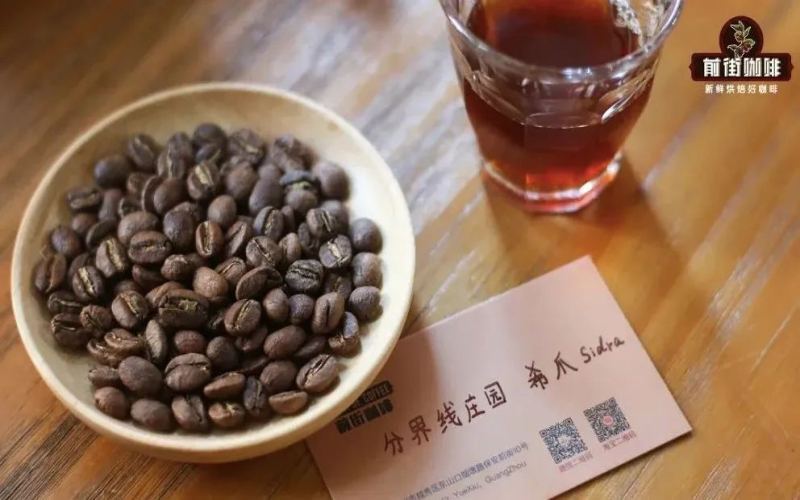
A Complete Analysis of the Sidra Coffee Variety: From Its Ecuadorian Origins to Its Rise to Fame in Colombia
In recent years, Sidra has frequently taken top honors in world coffee competitions, becoming a hot variety in the specialty coffee scene. Many people assume it originated in Colombia, but its story actually begins at a Nestlé breeding center in Ecuador. This article will walk you through Sidra's botanical characteristics, origin history, genetic testing results, and why it has not been widely cultivated globally. At the same time, Front Street Coffee has selected Sidra beans from Finca La Divisa in Colombia's Huila region, delivering grape, passion fruit, and honey-like sweetness that is well worth trying. [more…]
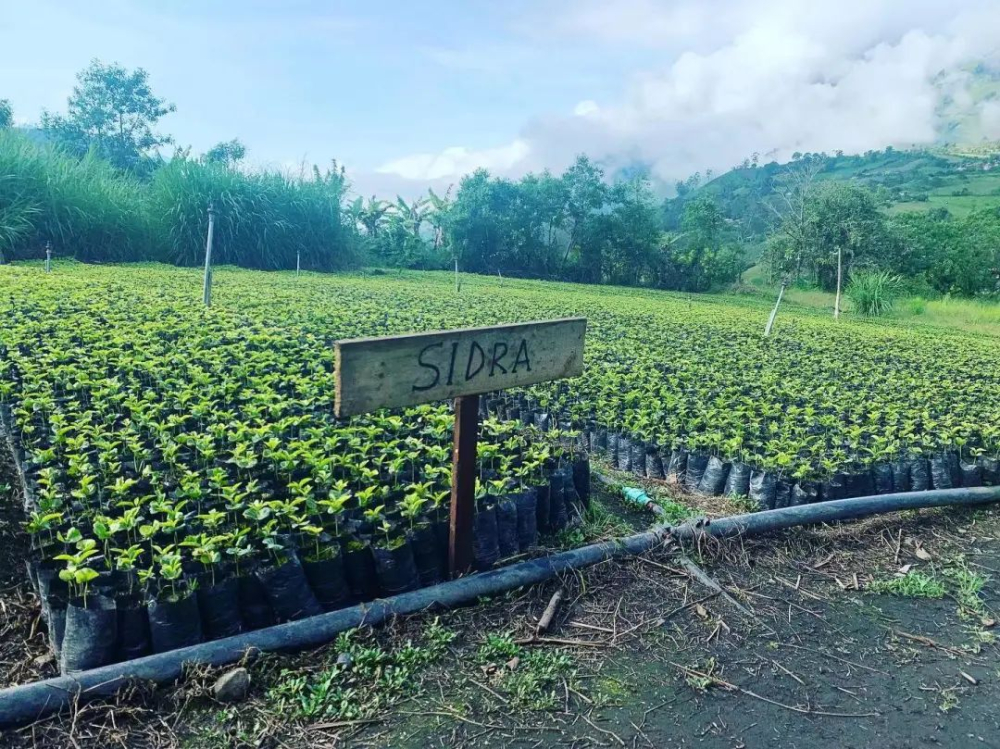
Colombian Sidra Coffee Beans | Flavor Characteristics of Anaerobic Fermentation Sun-Dried Sidra Coffee Beans and Introduction to the Sidra Coffee Variety
"Variety" is another consideration some friends use when selecting coffee beans, in addition to flavor and origin. Sidra, transliterated from "Sidra," also known as "Sydra" or "Bourbon Sidra." In Spanish, Sidra means "apple juice." [more…]

Making Boozy Coffee at Home: 10 Alcoholic Coffee Drinks with Recipes and Methods
Want to find a balance between a gentle buzz and staying clear-headed? Spiked coffee is becoming a new choice for many young people. When you're tired during the day, a hint of alcohol helps relax your nerves; after work at night, a warm alcoholic coffee soothes body and mind; and when the weather turns cold, it brings warmth from the inside out. This article compiles 10 alcoholic coffee recipes suitable for making at home, from simple convenience-store mixes to creative versions with milk foam, and to specialty cocktail coffees with a stronger alcoholic kick, covering pairings with various base spirits such as Baileys, whiskey, gin, brandy, and rum. When making them, there's no need to be rigid—just adjust the amount of alcohol to your personal preference—but be sure to drink in moderation according to your own condition, minors are prohibited from drinking alcohol, and drunk driving is strictly forbidden. At the end of the article, there is also a communication channel for Front Street Coffee (FrontStreet Coffee), making it convenient for coffee lovers to discuss further. [more…]
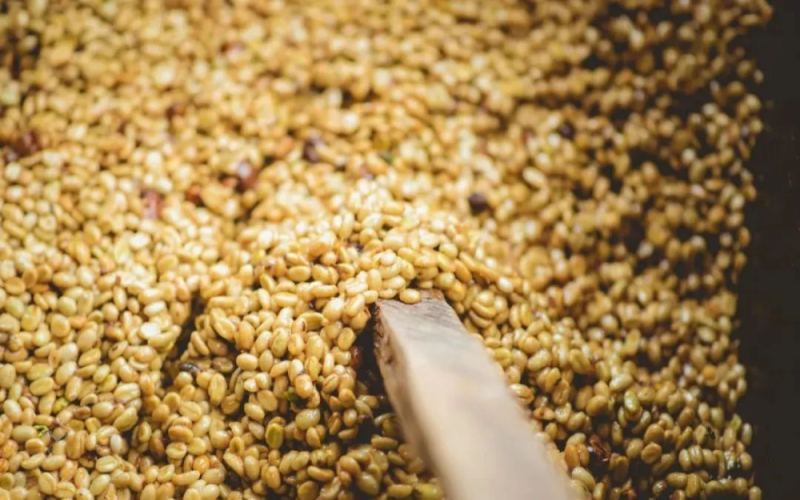
Where Does the Acidity in Colombian Coffee Come From? A Detailed Guide to Regional Terroir, Grading Standards, and Front Street Recommendations
Colombian coffee is often described as smooth in body, bright in acidity, and well balanced in flavor, and these characteristics are inseparable from its unique geographical environment. This article systematically examines the sources of acidity and the quality system of Colombian coffee, from Colombia's growing conditions, the background of the FNC's establishment, and the green bean grading system, to the flavor profiles of specialty regions such as Huila, and on to distinctive beans on Front Street Coffee's menu such as Sidra and Maragogipe, giving you a comprehensive understanding of this coffee nation known as "green gold." [more…]
The Historical Origins of Colombian Coffee and the Specialty Flavors of the Huila Region: From Front Street Coffee's Everyday Beans to Chiroso Cold Brew
Although Colombia is not a large country, it is a major coffee-producing powerhouse, second only to Brazil in global Arabica coffee production. From the early eighteenth century when Spanish missionaries brought coffee to this land, to the formation of a smallholder industry structure after the Thousand Days' War, and then to the establishment of FNC in 1927, Colombian coffee has traveled a tumultuous road. This article will take you through the historical threads of Colombian coffee and provide an in-depth interpretation of the most renowned Huila region—where volcanic ash soil gives the coffee refined fruit acidity, nutty flavors, and a caramel finish. Front Street Coffee selects high-altitude washed Huila as an everyday beans, with a medium-dark roast suitable for various extraction methods; in addition, there are Finca La Divisa's Ombligon and Sidra, the latter of which helped a competitor win the 2019 WBC championship. At the end of the article, the preparation steps for Sidra cold brew iced coffee are included for enthusiasts' reference. [more…]
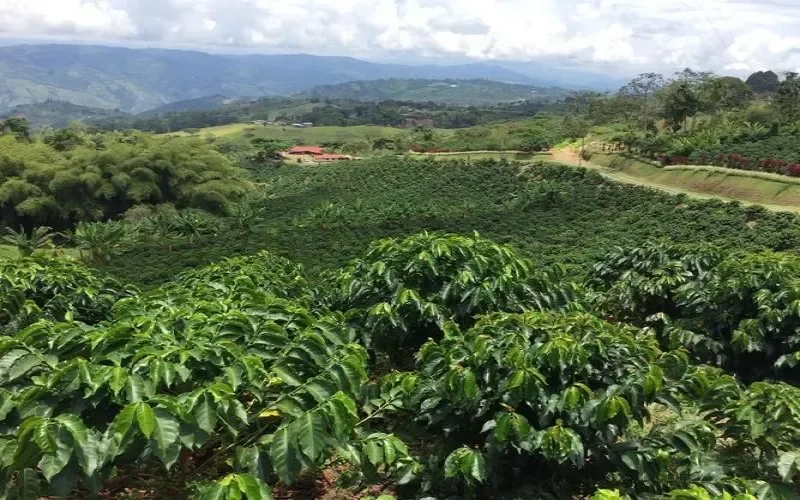
A Complete Guide to the Varieties and Flavors of Colombia Huila Finca La Divisa Sidra Coffee Beans
Colombia, with its high-altitude mountains, volcanic soil, and abundant rainfall, has become the world's third-largest coffee-producing country. Among its many regions, the southern Huila Department is known for its pure and gentle flavors, while Finca El Diviso has gained widespread fame after the 2022 WBC champion chose its Sidra coffee beans. This article will guide you through Colombia's coffee-growing conditions and the terroir characteristics of the Huila region, offer an in-depth look at Finca El Diviso's family background and the origins and botanical characteristics of the Sidra variety, and include complete brewing information and flavor notes for Front Street Coffee's double anaerobic natural Sidra. [more…]
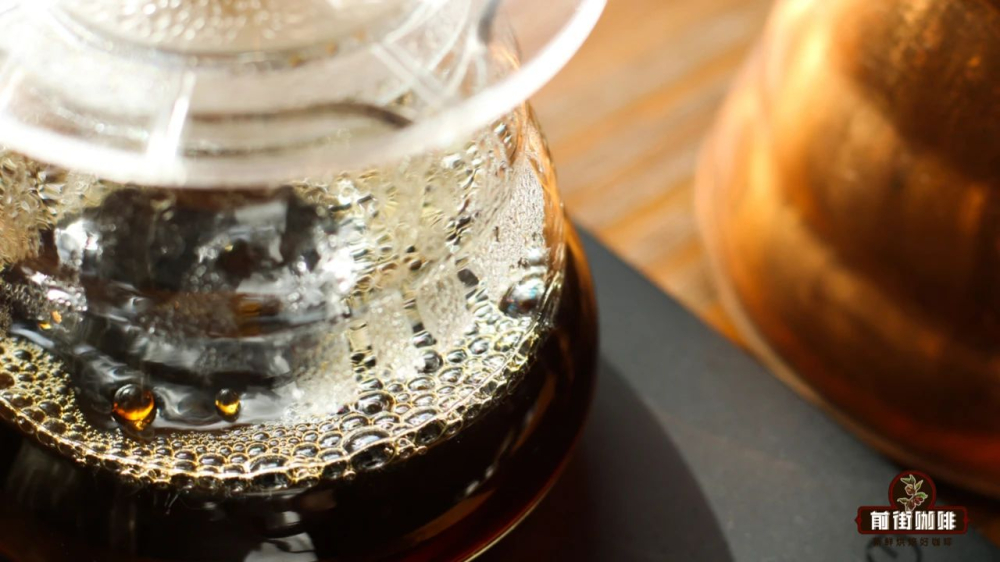
Coffee Tasting | Is coffee flavor pseudoscience? How do you describe the taste and mouthfeel of a good single-origin coffee? From what aspects should you taste pour-over coffee?
Many customers have told Front Street Coffee that they actually can't taste the flavors in coffee, and even after watching many coffee tasting tutorials, they only "understand it while watching, but don't know where to start when it comes to actually doing it." If this sounds like you, you might want to take a look at some of Front Street Coffee's insights on coffee tasting. Tasting coffee ≠ describing flavors. Many [more…]
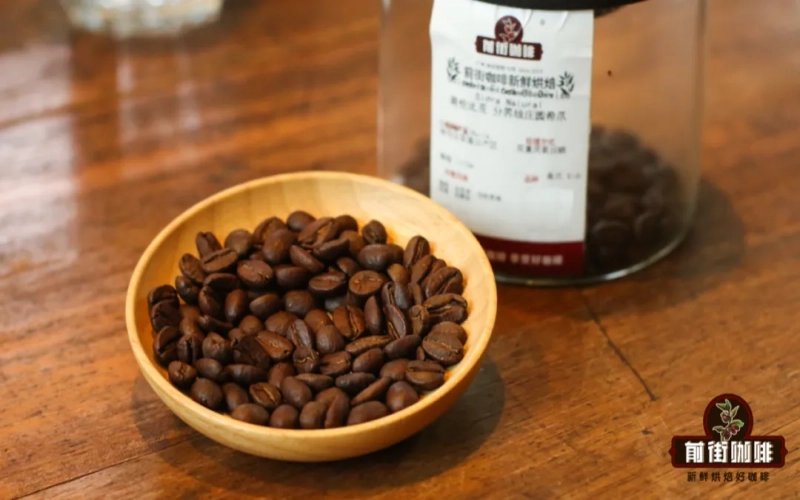
Why Can Sidra Coffee Beans Become Championship Beans? A Detailed Guide to Brewing Colombia Finca La Divisa Sidra
Sidra rose to fame after the 2022 World Coffee Championships and has become a highly anticipated variety in the specialty coffee world. It originated in Ecuador, and genetic identification shows it is closer to Ethiopian landraces, with a flavor profile known for rich fruitiness and floral notes. The Sidra in Front Street Coffee's bean lineup comes from Colombia's Finca El Diviso, uses anaerobic natural processing, and is the same coffee used by the 2022 World Coffee Championships champion. This article will review Sidra's varietal background and genetic research conclusions, and for this more deeply fermented bean, provide specific V60 three-pour brewing parameters and operational key points to help enthusiasts recreate at home the layered complexity of grapes, passion fruit, apricot, and floral notes. [more…]
The Coffee Flavor Code: Acidity, Mouthfeel, and the Four Principles of Appreciation — Understanding the Taste Layers of Specialty Beans
Is the acidity in coffee an advantage or a disadvantage? Why is some acidity pleasant while other acidity makes people frown? Starting from the sources and perception of acidity, this article analyzes one by one the meanings of tasting terms such as clean, balanced, texture, and complexity, and introduces the four major appreciation principles of acidity, texture, aroma, and flavor. At the same time, drawing on Front Street Coffee's brewing experience, it helps enthusiasts clarify the difference between good acidity and bad acidity, master the effects of adding sugar and extraction temperature on flavor, and thereby truly understand how to describe and appreciate the layers and personality of a cup of specialty coffee. [more…]
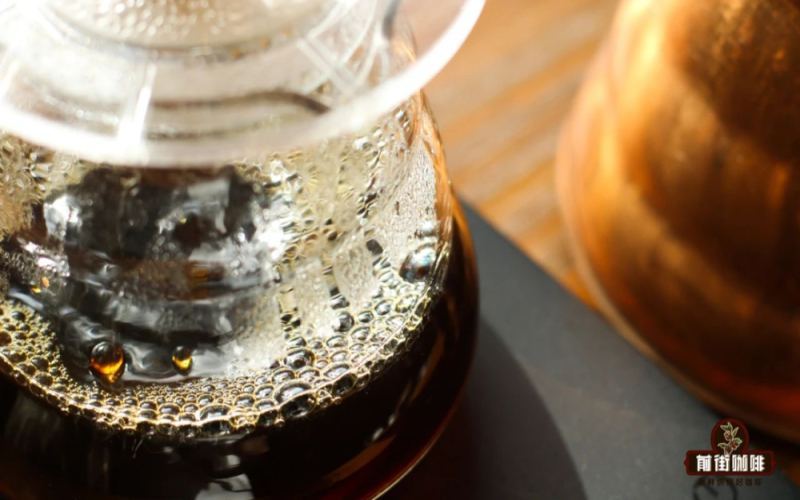
How to Evaluate the Aroma and Flavor of Single-Origin Coffee? Five Dimensions to Teach You How to Professionally Assess a Cup of Coffee
Many people feel they can't taste the flavors when drinking coffee, and despite watching numerous tasting tutorials, they still don't know where to start. In fact, coffee tasting isn't about being able to name flavors—flavor descriptions are only a small part of tasting. Front Street Coffee starts from five dimensions—aroma, overall performance, mouthfeel, taste, and aftertaste—to guide you through a systematic understanding of how to professionally evaluate a single-origin coffee. Whether you're a complete beginner or an enthusiast looking to improve your tasting skills, you'll find practical methods and ideas to gradually build your own sensory evaluation system for coffee. [more…]
A Beginner's Guide to Coffee Tasting: From Aroma and Mouthfeel to Finish, Systematically Learn to Judge Whether a Cup of Coffee Tastes Good
Many friends who are just getting into specialty coffee run into the same confusion: they can't taste the flavors written on the coffee packaging, and they're not sure whether they actually know how to evaluate coffee. In its daily conversations with customers, Front Street Coffee has found that people often equate "being able to name flavors" with "understanding coffee evaluation," but these are actually two different things. Flavor description is only a small part of coffee evaluation. To truly judge whether a cup of coffee is good, you can start from five dimensions: aroma, overall performance, mouthfeel, flavor, and aftertaste. This article compiles Front Street's insights on coffee evaluation to help enthusiasts build an actionable evaluation framework, while also answering the common question of "why can't I taste the flavors?" [more…]
The Development History of Colombian Coffee and Flavor Analysis of the Huila Region: From Historical Evolution to a Brewing Guide for the Sidra Variety
Colombia, as a major global producer of Arabica coffee, has seen its coffee industry undergo a unique journey from its introduction by missionaries to a transition toward smallholder models. This article begins with the historical context, tracing the origins of coffee cultivation in Colombia, the industry changes following the Thousand Days' War, and the background of the establishment of the FNC, while also providing an in-depth analysis of the terroir characteristics and flavor profile of the Huila region. It also introduces the Sidra variety on Front Street Coffee's bean list, detailing its varietal origins and brewing performance, and includes complete cold brew preparation steps, offering coffee enthusiasts a panoramic view from historical understanding to practical brewing. [more…]
A Detailed Breakdown of the SCAA Cupping Score Sheet: Ten Dimensions from Aroma to Overall Evaluation
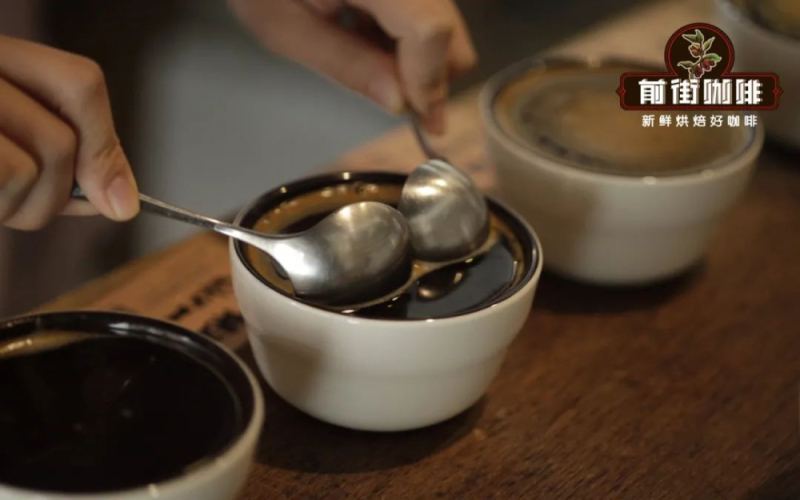
The SCAA cupping form is an important tool for judging quality in the specialty coffee industry. It consists of ten scoring categories, covering the complete sensory experience from dry aroma and wet aroma to overall assessment. This article explains the specific meaning and key evaluation points of each scoring dimension one by one: aroma is divided into dry aroma and wet aroma; flavor during slurping is the core basis for scoring; aftertaste measures the persistence of flavor; acidity distinguishes high-quality fruity acidity from undesirable acidity; body focuses on mouthfeel; uniformity checks whether the samples are consistent; balance assesses whether all aspects are harmonious; cleanliness is an essential threshold for specialty coffee; sweetness reflects harvest maturity and quality; and overall assessment reflects the cupper's comprehensive impression. Whether you are an enthusiast who has just encountered cupping or a professional hoping to refine your sensory skills, this item-by-item interpretation can help you understand the logic of using the SCAA cupping form more systematically. [more…]
SCAA Coffee Cupping Score Sheet Guide: A Detailed Chinese Explanation of the Ten Scoring Points from Aroma to Overall Evaluation
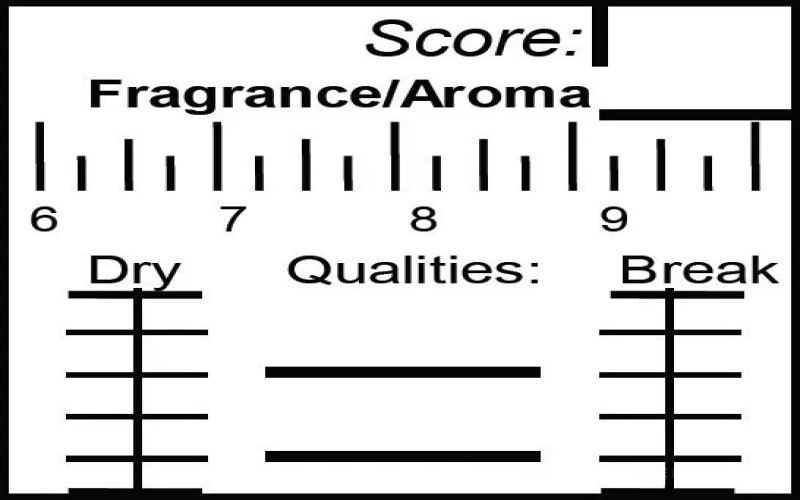
Coffee cupping is a professional evaluation method that transforms subjective sensory experiences into quantitative data, and the SCAA cupping score sheet is the core tool of this system. This article explains the ten scoring dimensions in the sheet one by one, covering fragrance, flavor, aftertaste, acidity, body, uniformity, balance, cleanliness, sweetness, and overall score, helping coffee enthusiasts understand the scoring basis and judgment criteria for each item. Whether you are a beginner who has just encountered cupping or a professional hoping to refine your sensory skills, this detailed Chinese guide can serve as a practical reference. Front Street Coffee also provides relevant product information in the article for further understanding. [more…]
A Detailed Guide to the SCA and CoE Coffee Cupping Scoring Systems: Flavor Wheel Application and 2023 HD Wallpaper Resources
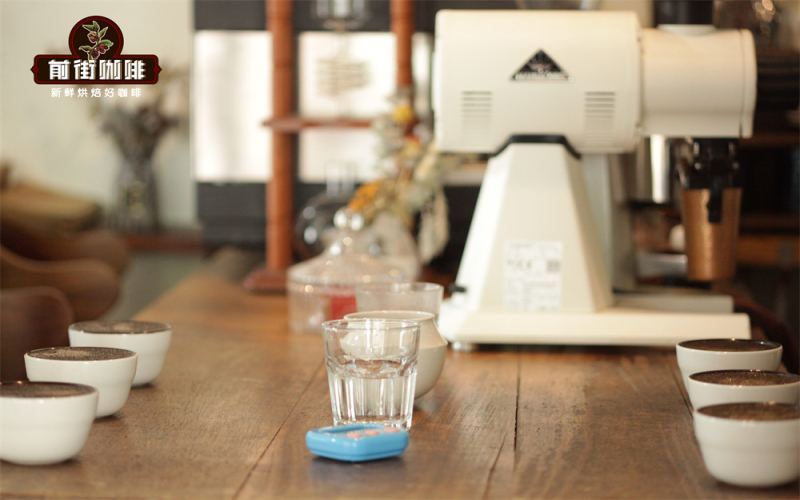
Cupping is the primary step for verifying coffee quality after roasting. By standardizing grind size, coffee-to-water ratio, water temperature, and steep time, it objectively reveals a bean's truest flavors. This article systematically outlines the purpose of cupping, the required equipment, and standard parameters, walks step by step through the complete process of pouring, smelling, breaking the crust, and slurping, and takes an in-depth look at the eight scoring categories on the CoE cupping form and how they differ from the SCA scoring system. It also compiles common descriptive terms from the flavor wheel and includes a high-resolution 2023 flavor wheel wallpaper resource, making it a handy reference for coffee enthusiasts and professionals alike. [more…]
The Complete Guide to Semi-Automatic Espresso Machine Cleaning and Maintenance: Get Daily Care Right and Your Machine Will Last Longer
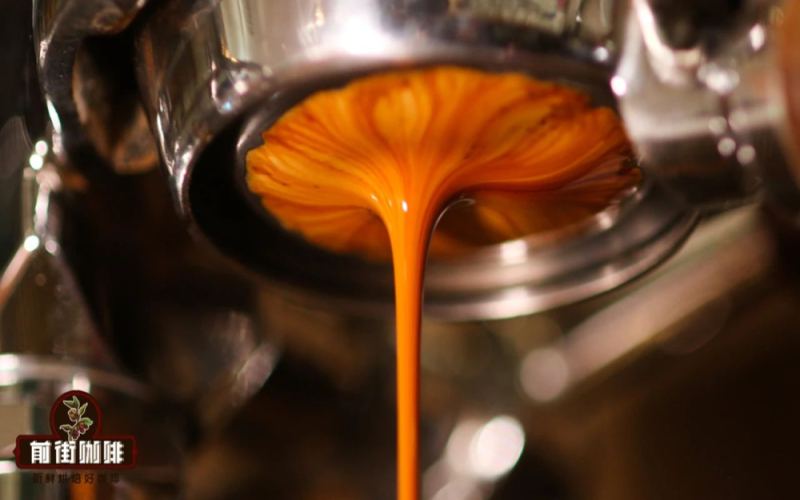
Coffee machines are now a common fixture in many home kitchens, but many people overlook their cleaning and maintenance. In fact, regular cleaning not only affects the flavor performance of every cup of coffee but also directly impacts the machine's lifespan. This article systematically outlines the key cleaning points for semi-automatic coffee machines, including how to determine descaling frequency, the use of professional descalers versus white vinegar as an alternative, how to deal with clogged steam nozzles, and daily cleaning steps for the steam wand, brew head, drip tray, and exterior of the machine. In addition, in response to the characteristics of pressurized extraction, it offers purchasing suggestions for medium-to-dark roasted espresso beans suitable for semi-automatic coffee machines, and recommends products such as Front Street Classic Blend, Front Street Commercial Blend, and Front Street Strawberry Candy Espresso, helping coffee enthusiasts balance equipment maintenance with output quality. [more…]